
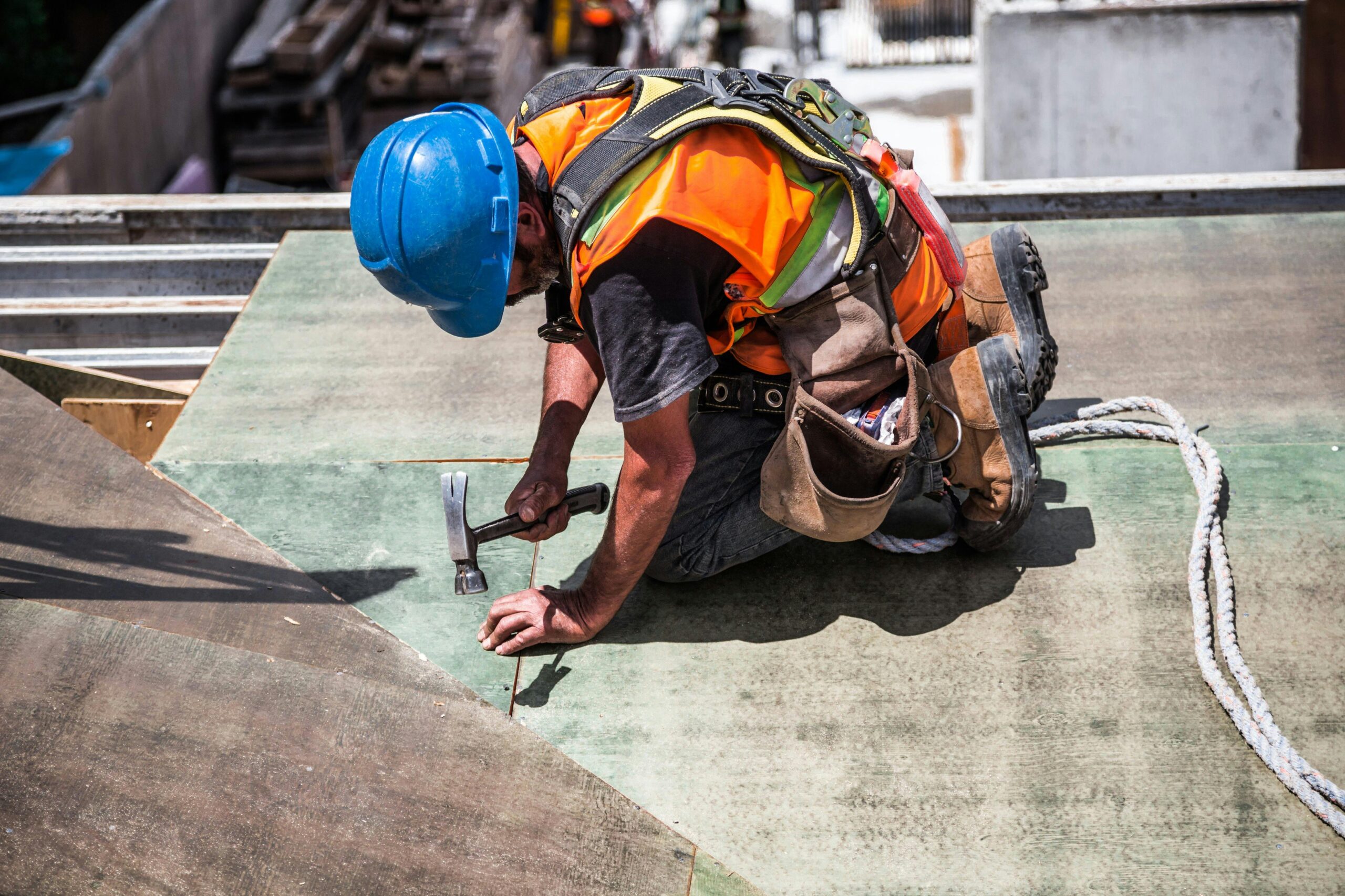
Installing commercial roofing is a complex process that requires careful planning, proper materials, and experienced professionals. Unlike residential roofing, commercial systems are designed to cover large surface areas, support HVAC equipment, and withstand constant exposure to harsh weather conditions. When installed correctly, a commercial roof can last decades and protect your investment while improving energy efficiency and safety.
This guide explains how commercial roofing is installed, what steps are involved, and why working with professional contractors is essential—especially for businesses operating in Oregon.
Understanding Commercial Roofing Systems
Before installation begins, it’s important to understand the most common types of commercial roofing systems. Each option offers different benefits depending on your building’s structure, budget, and long-term goals.
Common commercial roofing materials include:
- Metal roofing – Durable, energy-efficient, and ideal for long-term performance
- TPO and PVC membranes – Lightweight, reflective, and resistant to UV damage
- EPDM roofing – Flexible rubber membrane with strong weather resistance
- Modified bitumen – Multi-layer protection for flat and low-slope roofs
Experienced roofing companies in Oregon will help determine the best system based on climate conditions, building use, and maintenance expectations.
Step 1: Inspection and Roof Assessment
Every commercial roofing installation begins with a thorough inspection. Contractors assess the existing roof structure, decking condition, drainage systems, insulation, and potential problem areas.
During this phase, professionals look for moisture damage, structural weaknesses, and code compliance issues. This evaluation ensures the new roof system is installed on a stable foundation and meets all local regulations.
For facilities in fast-growing areas, accurate assessments are especially important to avoid costly surprises during installation.
Step 2: Preparing the Roof Surface
Once the inspection is complete, the roof surface must be properly prepared. This may involve removing the old roofing system or repairing damaged decking. In some cases, a roof overlay is possible, but only if building codes and structural conditions allow it.
Preparation includes:
- Removing debris and old materials
- Repairing or replacing damaged insulation
- Ensuring proper slope for water drainage
Proper surface preparation is critical for preventing leaks and ensuring long-term roof performance.
Step 3: Installing Insulation and Vapor Barriers
Insulation plays a major role in energy efficiency and indoor comfort. Commercial roofs often use rigid insulation boards installed directly onto the roof deck.
A vapor barrier may also be added to prevent moisture buildup, especially in environments with temperature fluctuations. This step helps protect the roofing system from condensation-related damage and improves overall durability.
Step 4: Commercial Roofing Hillsboro OR Installation Process
Why Location-Specific Installation Matters
When installing commercial roofing Hillsboro OR, contractors must account for Oregon’s wet climate, seasonal temperature changes, and strict building codes. Roofing systems must be designed to handle consistent rainfall and prevent moisture intrusion.
Installation methods vary depending on the chosen roofing material:
- Metal roofing panels are secured with specialized fasteners and sealed seams
- Single-ply membranes are mechanically fastened, adhered, or heat-welded
- Multi-layer systems are applied using asphalt or adhesives for added protection
Working with professionals experienced in commercial roofing Hillsboro OR ensures proper installation techniques that maximize lifespan and performance.
Step 5: Sealing, Flashing, and Drainage Installation
Flashing is installed around roof penetrations such as vents, skylights, and HVAC units. Proper flashing prevents water from seeping into vulnerable areas.
Drainage systems, including internal drains or scuppers, are also installed or upgraded to ensure water flows efficiently off the roof. Poor drainage is one of the leading causes of premature roof failure, making this step essential.
Step 6: Final Inspection and Quality Control
Once installation is complete, contractors perform a final inspection to ensure everything meets manufacturer specifications and local building codes. Seams, fasteners, flashing, and drainage points are carefully checked.
Many top contractors also provide documentation, warranties, and maintenance recommendations to help business owners protect their investment.
Cost Factors and Regional Comparisons
Commercial roofing costs vary based on roofing materials, building size, labor, and location. Some business owners compare pricing across nearby regions, including searches for commercial roofing installation Clackamas Oregon prices.
While price comparisons can be helpful, it’s important to focus on value rather than just upfront cost. High-quality installation reduces long-term maintenance expenses and minimizes the risk of early replacement.
Some contractors offer both residential commercial roofing installation Clackamas Oregon services, but commercial projects require specialized expertise. Always confirm the contractor’s commercial experience.
Choosing the Right Contractor for Installation
Not all roofing companies are equipped to handle commercial installations. The best commercial roofing installation Clackamas Oregon providers—and those serving Hillsboro and Portland—share common traits:
- Proven commercial project experience
- Manufacturer certifications
- Strong safety programs
- Transparent estimates and timelines
Reputable roofing companies in Portland Oregon often serve surrounding cities and bring valuable regional knowledge to each project.
Long-Term Maintenance After Installation
After installation, routine inspections and maintenance are essential. Annual inspections help identify minor issues before they become major problems. Many roofing companies in Oregon offer maintenance plans that extend roof lifespan and preserve warranty coverage.
Proper maintenance also supports energy efficiency and prevents unexpected business disruptions.
Why Professional Installation Matters
Commercial roofing installation is not a DIY project. Mistakes during installation can lead to leaks, voided warranties, and structural damage. Hiring skilled professionals ensures compliance, safety, and long-term performance.
From material selection to final inspection, expert installation protects your building and your bottom line.
Partner With Greater Purpose for Commercial Roofing Excellence
At Greater Purpose, we specialize in professional commercial roofing solutions tailored to Oregon’s unique climate and business needs. Our team delivers precision installation, premium materials, and long-lasting results. We proudly serve Hillsboro, Portland, and surrounding communities with integrity and expertise.
Whether you’re planning a new installation or replacing an aging system, G-Purpose is your trusted partner. Visit our website to learn more about our commercial roofing services and schedule a consultation today.
Comments are closed